|

|

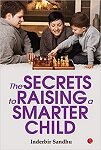
The Secrets to Raising a Smarter Child Recommended |
||||
|
Healthy Self-Esteem ThinkingBy Michael Grose Confident kids think differently to children who lack confidence or who have low self-esteem. Dr. Michael Bernard, the creator of You Can Do It, an achievement program for children and young people found that a child's thinking habits tended to be a greater determinant of academic and even social success than real ability. In many ways this is stating the bleeding obvious. Most of us have met or worked with very talented people who are held back by low self-esteem or poor self-belief. They talk themselves down or out of success before they have even tackled a task. Bernard found that children with low self-esteem had three poor thinking habits, which are reflected through the way they speak and behave. These poor habits are:
Confident kids have different automatic mindsets to children with low self-esteem. A mindset or habit of the mind is the automatic tendency of a child or young person to think in a certain way. By thinking in a certain way a child will experience certain emotions which will affect his or her behavior. Confident children and young people have the following three positive mindsets, which guide them through the course of their day:
Confidence means a child knowing that he or she will more than likely be successful at many of the activities that he or she will tackle. They will not necessarily succeed the first time but with effort and patience they will succeed eventually. Confident kids, for this reason, are more likely to persist and stick to a task. Four factors affect the development of child's mindset. These are:
Parents can do little about the first factor, but we can certainly do a great deal about the last three factors. This places parents in a very influential position, particularly in a child's first eight to ten years. These are the self-esteem or self-confidence building years as it is during this time kids are trying to work out the answers to two key questions: "What can I do?" and "How do I fit in?" Parents need to not just send the message to children through their language and the way they treat them that are capable but they can also help them develop positive mindsets by displaying
These are just some of the strategies we can use to develop confident mindsets in kids. 
Michael Grose is a popular parenting educator and parent coach. He is the director of Parentingideas, the author of seven books for parents and a popular presenter who speaks to audiences in Australia, Singapore and the USA. For free courses and resources to help you raise happy kids and resilient teenagers visit http://www.parentingideas.com.au
|


 Checkout these other child development articles

|
|