|

|

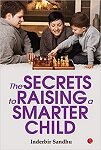
The Secrets to Raising a Smarter Child Recommended |
||||
|
How to teach your children about goal settingAs parents we want our children to have a clear sense of purpose, to be motivated and self-assured, to know the importance of helping others, and to understand that they are at the controls of their life. According to John Bishop of GoalSettingForStudents.com, "We want our children to know how to step up to the plate and take ownership of their education and their life. Teaching our children the goal setting principles will help them take ownership of their future." As parents we understand that when our children take ownership they will embrace our efforts, and those of other concerned adults, to help them succeed. The key is having an effective plan to discuss these important life skills with them. Your talk about goal setting should be organized and well thought out. You should have several discussions over a couple of months before they start to fully understand and implement these valuable life-lessons. First, give your child something to read about one aspect of goal setting. Discuss with them what they learned by using open-ended questions. Facilitate the discussion rather than lecturing to them. Let them express their thoughts. This is your opportunity to learn what they are thinking. Guard against your biases and praise and congratulate your child. Guide your discussions toward answering three important questions:
1. Why is this important?
2. How do I use this? 3. How can I get started? Suggested goal setting topics to focus on:
With some discussion and guidance, your child can take ownership of their education. When that happens you will be celebrating their success rather than repeatedly asking them if they have done their homework. 
Copyright © John Bishop is the Executive Director of Accent on Success, a non-profit organization dedicated to helping students succeed in the classroom and in life. He is the author of the book Goal Setting for Students. Please visit our website for more information.
|


 Checkout these other child development articles

|
|