|

|

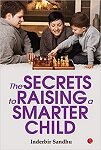
The Secrets to Raising a Smarter Child Recommended |
||||
|
Improving Classroom Performance of Your Child - Some Practical TipsBy Andrew Loh Helping your child to improve classroom performance forms the single most important issue for a parent. As a parent, you may need to assist your children in every possible way to succeed in school and beyond. Here are some golden tips that will help your children become better students and learners in their classrooms. Before going to school: Better classroom performance starts right at your home and it starts early in your child's life. Home is the first classroom for your child and you are the first teacher. It means that the type and solidity of the foundation that you lay in the initial stages of your child can play a solid and critical role in classroom and in life. More important, you are also providing a strong push for your child to learn in a meaningful and productive way. Start early: Available research suggests that your child you can start learning very early in the life, especially during the infant stage. In fact, child educators recommend reading stories, rhymes and songs aloud when your baby is in his or her 4th month. Start reading when your baby is awake and during the time when he or she is most active. As your child grows into his first year, you will be amazed at his or her inclination to listen to your words for longer durations. Once he or she steps into the second year, you can talk for longer durations to tell more stories and sing more rhymes. Your child should be able to catch the meaning of important words and decipher their primary meanings. During this process, ask a number of questions in an interactive manner by making him or her to answer your questions. Outcome: The main benefit or important outcome of this exercise is very simple. Your child will be initiated to the world of listening, comprehension, understanding things and later analyzing them to derive meanings and explanations. Develop reading habits: Better academic performance in classroom hinges and depends on how well your child can read and comprehend the meanings of most common words and sentences. You may need to help you child very early in the life to read and understand the meanings of most common words. Bring home plenty of colorful books and kid's magazines, so that you can make your child start reading by the time he or she is two years old. Reading helps your child to develop attention and concentration apart from nurturing a good habit. With this exercise, you will be showing your child the importance and value of reading for classroom and personal success. Take your child to a nearby library to show how books are arranged and in what way it can help your child develop reading habits. If you read a lot of books, magazine and newspapers, it is most likely that your child will also develop reading habit. In fact, your child can imitate your actions and habits. Outcome: The key benefit of teaching your child how to read is to make him or her understand that better classroom performance is the direct result of this habit without which good grades are impossible to achieve. Another benefit is to know and detect whether your child has any reading disability. Talking, listening and conversing: Talking, conversing and listening are three important factors that can help your child achieve success in a classroom. With these critical habits, your child will be able to pick up language skills those are so much required for better communication both in classroom and outside. You may need to talk to your child on a consistent basis and make him or her answer your probing questions. Outcome: Children who can talk well with their parents and peers can develop learning skills. In addition, they will also develop an uncanny ability to follow directions both from you and teachers. Another advantage is your child's capability to pay attention in the classroom. At the school: Once your child starts going to the school, your responsibility will increase steeply, as you can monitor your child's progress only when he or she is at home in the evening. Here are some basic tips on how you can help your child when he or she is in school. Interaction with teachers: Ensure that you are in constant touch with the class teacher, as well as school principal to inquire about the academic progress of your child. Go to school every weekend and talk to the class teacher to get a feedback about your child's progress. Attend and participate in PTA meetings and feedback sessions. Monitor progress at home: Converse with your child to know if there are any difficulties or obstacles in the classroom. Try and find out if your child is facing classroom blues. Help your child do homework and assignments. Teach your child, while he or she is reading class books and manuals. Check and inspect school bag and the class diary to find out pending tasks and assignments. Ensure that your child is doing pending homework without fail. These are some basic things that you can do to help your child achieve classroom success. The list is quite exhaustive and you may devise your own strategies and techniques to assist your child to perform better both in the classroom and elsewhere. Ensure that you child is ahead of his or her peers at the classroom. It is all in your hands! 
|


 Checkout these other child development articles

|
|